12 Signs of Bad Parenting: How to Recognize and Improve

Introduction
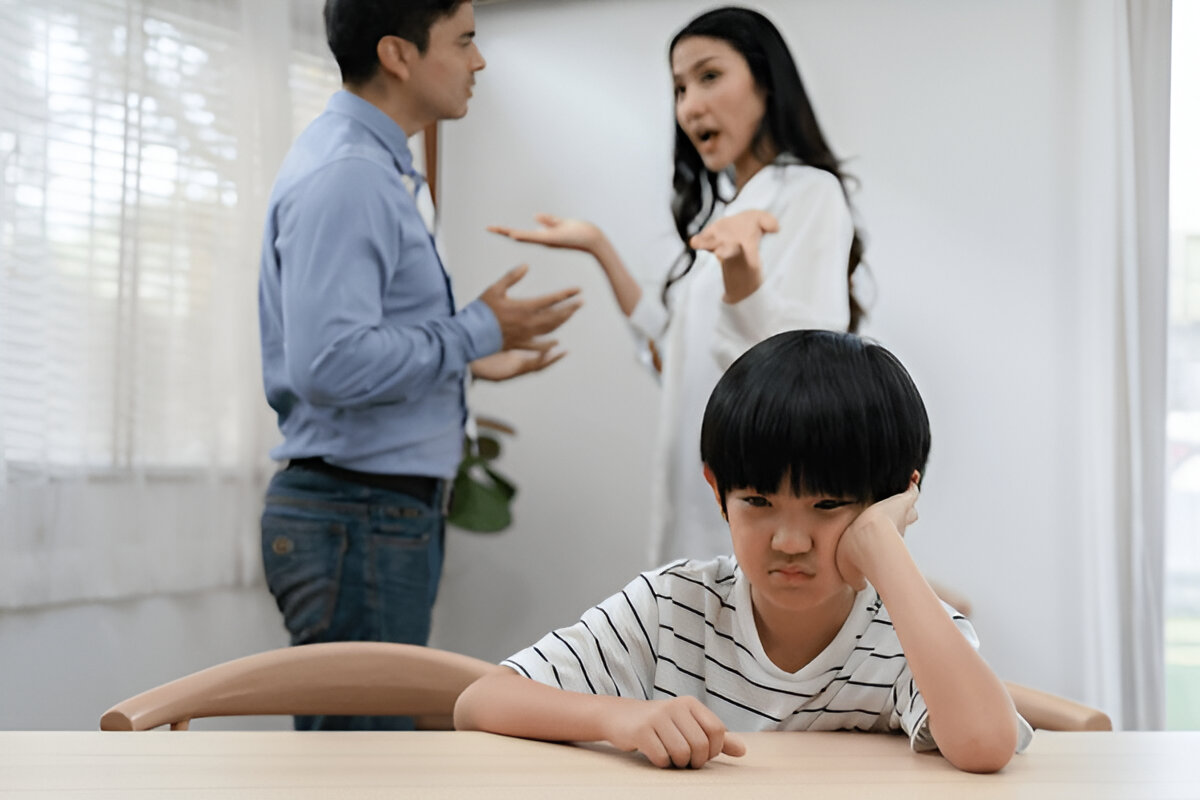
Parenting shapes the foundation of a child’s emotional, mental, and social development. While every parent makes mistakes, consistent harmful patterns can turn into bad parenting. Recognizing these signs early can help prevent long-term damage and build healthier relationships with children.
1. Clear Signs of Bad Parenting
Some behaviors strongly indicate unhealthy parenting practices:
- Lack of affection or warmth
- Using harsh punishment instead of guidance
- Ignoring a child’s emotions or needs
- Comparing children with others constantly
- Poor communication or lack of listening
👉 These signs are red flags, but awareness is the first step toward change.
14 Ways How to Be Funnier in Conversations Even If You’re Shy
2. Key Characteristics of Bad Parents
Bad parenting is often linked with certain characteristics, such as:
- Inconsistency in rules and discipline
- Being overly controlling or neglectful
- Putting personal needs above the child’s
- Showing little empathy or patience
- Rarely appreciating or encouraging the child
💡 No parent is perfect, but consistent negative traits can affect a child’s self-esteem and growth.
3. Negative Effects of Poor Parenting
Poor parenting leaves lasting scars. Some long-term effects include:
- Struggles with self-worth and confidence
- Difficulty forming healthy relationships
- Increased risk of anxiety, depression, or anger issues
- Poor academic performance or lack of motivation
- Struggles with decision-making in adulthood
How To Get My Wife Pregnant Quickly
4. Traits of Toxic Parenting
Toxic parenting goes beyond mistakes—it’s damaging and repetitive. Common traits include:
- Emotional manipulation (guilt-tripping, gaslighting)
- Playing favorites between children
- Ignoring or invalidating emotions
- Excessive criticism instead of guidance
- Creating fear rather than trust
5. Consequences of Bad Parenting
The consequences often show up in both childhood and adulthood:
- Children may become rebellious or withdrawn
- Lack of trust in authority figures
- Inability to handle conflicts effectively
- Carrying unresolved trauma into adult relationships
- Difficulty setting boundaries later in life
6. How to Recognize Bad Parenting Early
You may recognize bad parenting if:
- Children show fear instead of love around parents
- Household atmosphere feels unsafe or stressful
- Parents dismiss emotions with “you’re overreacting”
- The child often feels unheard or invisible
👉 Teachers, relatives, and even parents themselves should be alert to these signs.
7. Common Parenting Mistakes to Avoid
Even well-meaning parents make mistakes. Here are common ones:
- Yelling instead of calmly explaining rules
- Overloading children with expectations
- Not setting boundaries at all
- Ignoring quality time due to busy schedules
- Failing to apologize when wrong
8. Effects of a Toxic Family Environment
A toxic family environment impacts children deeply:
- Creates constant stress and anxiety
- Leads to unhealthy coping habits
- Encourages children to avoid home or family interactions
- Affects school performance and friendships
9. Link Between Child Behavior and Bad Parenting
Bad parenting often reflects in a child’s behavior:
- Aggression, tantrums, or constant anger
- Withdrawal and silence
- Lying or seeking attention in negative ways
- Poor social skills or lack of confidence
10. Emotional Damage from Poor Parenting
Children may carry emotional scars for years:
- Fear of rejection or abandonment
- Difficulty trusting others
- Constant need for approval
- Emotional instability and insecurity
11. Examples of Unhealthy Parenting Styles
There are several unhealthy styles of parenting, such as:
- Authoritarian Parenting → Strict, no space for discussion.
- Neglectful Parenting → Minimal involvement or care.
- Permissive Parenting → Too lenient, no boundaries.
- Overprotective Parenting → Not allowing independence or freedom.
12. How to Be a Better Parent
The good news is, improvement is always possible. Here’s how:
- Practice active listening with your child
- Balance discipline with empathy
- Spend quality time daily
- Apologize when you’re wrong—model accountability
- Encourage independence and confidence
- Focus on positive reinforcement
12 Signs That He’s Just Not That Into You
Conclusion
Bad parenting isn’t about one mistake—it’s about repeated harmful behaviors. By identifying the signs, understanding the consequences, and taking steps to improve, parents can create a loving, supportive environment for their children. Every child deserves patience, guidance, and unconditional love—and every parent has the ability to grow.